
Loading blog post...

404

Blog post not found

Back to Blogs

Landlord-Tenant Laws Explained

Landlord-Tenant Laws Explained
Last Updated On
August 14, 2025

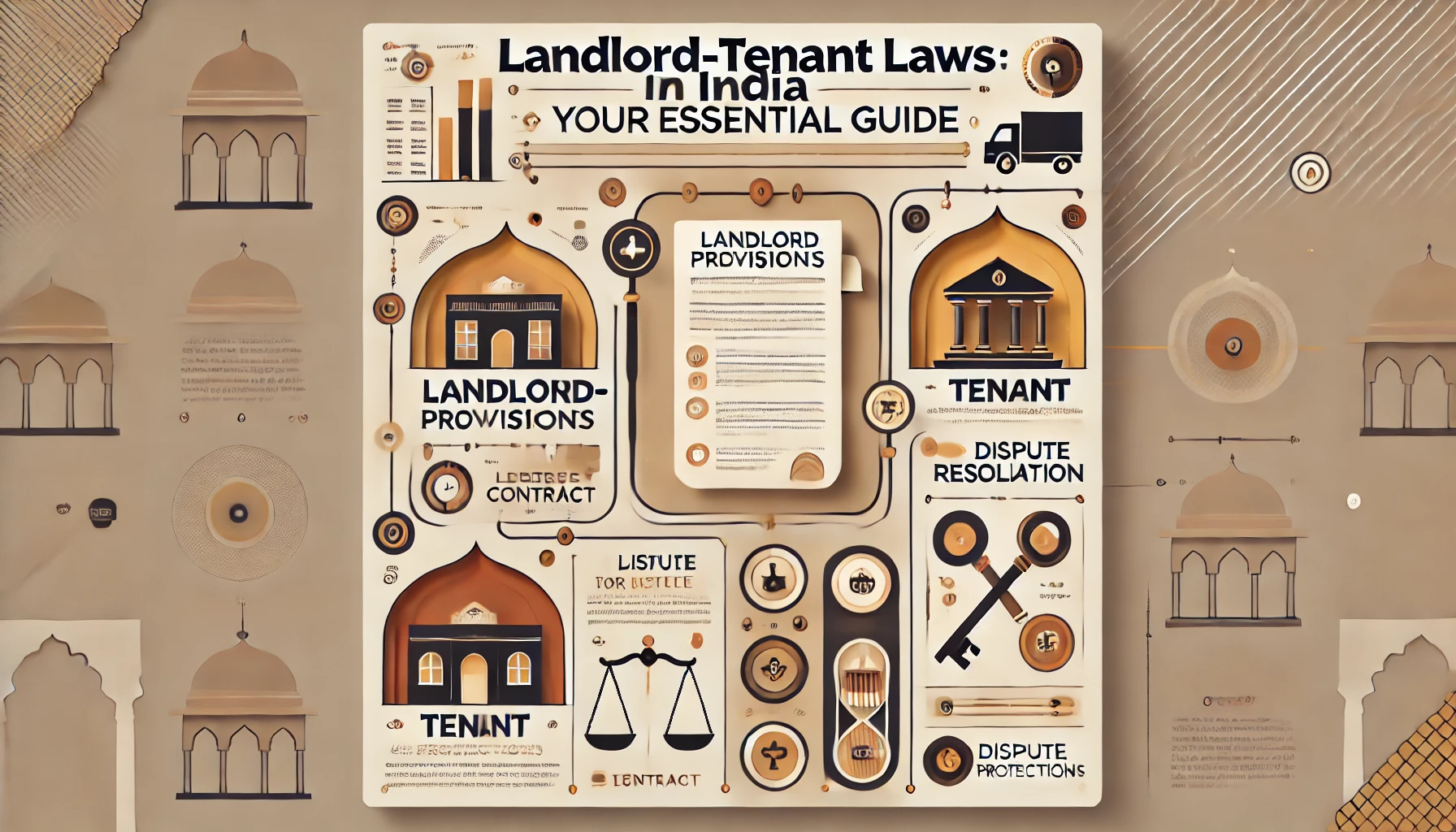
Renting a home is a common practice in India, providing flexibility and convenience for many individuals and families. However, the relationship between landlords and tenants is governed by a set of laws designed to protect the rights of both parties. Whether you're a first-time tenant or a seasoned landlord, understanding these laws is crucial to ensuring a harmonious and legally compliant rental experience. This guide delves into the essential aspects of landlord-tenant laws in India, highlighting key rights, responsibilities, common disputes, and legal protections to help you navigate the rental landscape with confidence.

For more insights on real estate regulations and property development, Legal Byte is here to assist you. Contact us today for expert guidance and support.

 

Recommended Other Reads

About the Author

Ramanand Achar
Ramanand Achar

Ramanand Achar comes with over 50 years of legal practice experience and specializes in civil and real estate matters. He is empaneled with multiple banks as their legal advisor and has handled thousands of cases for his client during his practice

Frequently Asked Questions

What are the rights of tenants in Karnataka?
Tenants in Karnataka have several rights, including the right to a safe and habitable living environment, the right to privacy, and protection against unfair eviction. They must also receive proper notice before any changes to the rental agreement or eviction proceedings.
What documents are required for renting a property in Karnataka?
To rent a property in Karnataka, you typically need to provide identification proof, such as an Aadhaar card or passport, and address proof. Additionally, a rental agreement is essential, outlining the terms of the tenancy.
What is the usual security deposit for renting a home in Karnataka?
In Karnataka, the security deposit for renting a home usually ranges from one to three months' rent, depending on the property and landlord's discretion. This deposit is refundable at the end of the tenancy, subject to any deductions for damages or unpaid rent.
How can a tenant file a dispute against a landlord in Karnataka?
If a tenant has a dispute with a landlord in Karnataka, they can approach the Rent Control Court or the local consumer forum. It's advisable to gather all relevant documents, such as the rental agreement and any communication with the landlord, to support their case.
What are the responsibilities of landlords in Karnataka?
Landlords in Karnataka are responsible for maintaining the property in a habitable condition, addressing repairs promptly, and ensuring the tenant's right to privacy. They must also provide a written rental agreement that outlines the terms and conditions of the tenancy.